Background
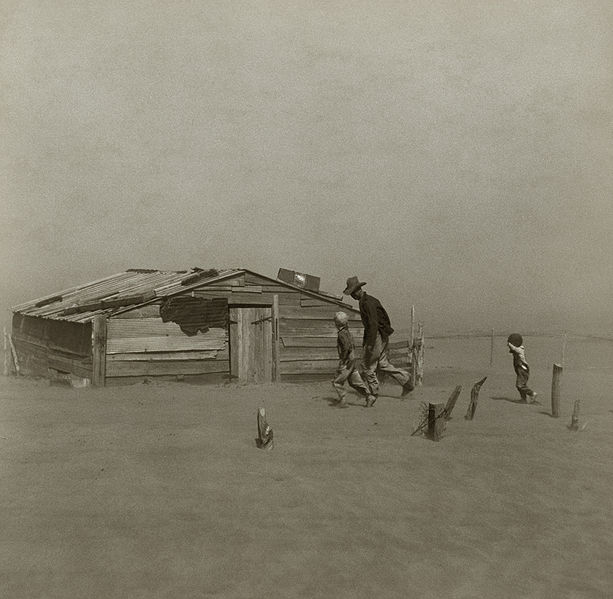
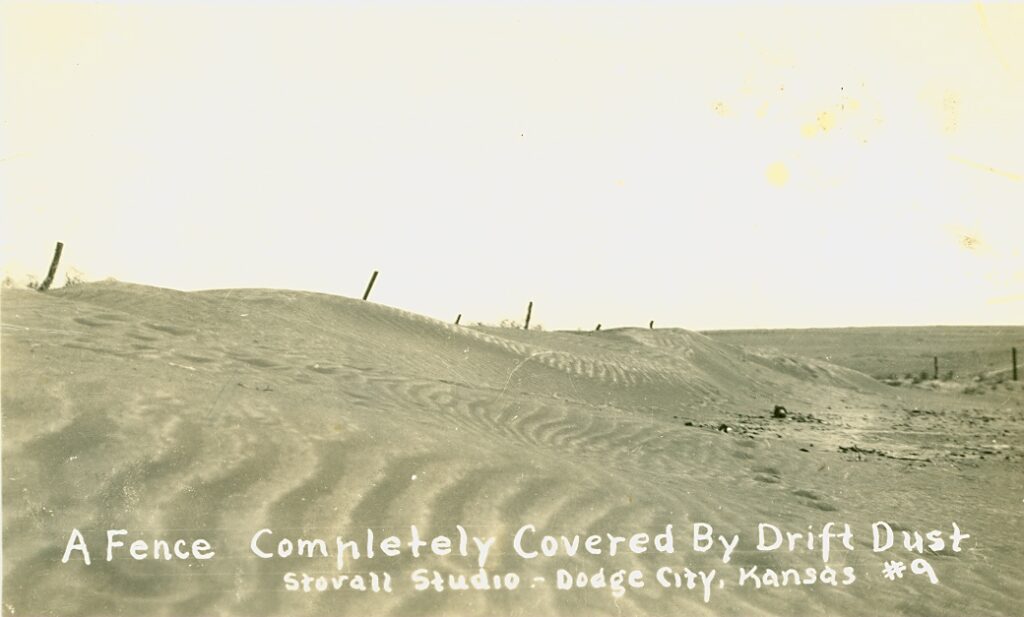
During the 1930s, the United States experienced one of the most devastating environmental disasters, now known as the Dust Bowl. The Dust Bowl consisted of severe dust storms, which were brought about by extreme droughts in the Southern and Central Great Plains.
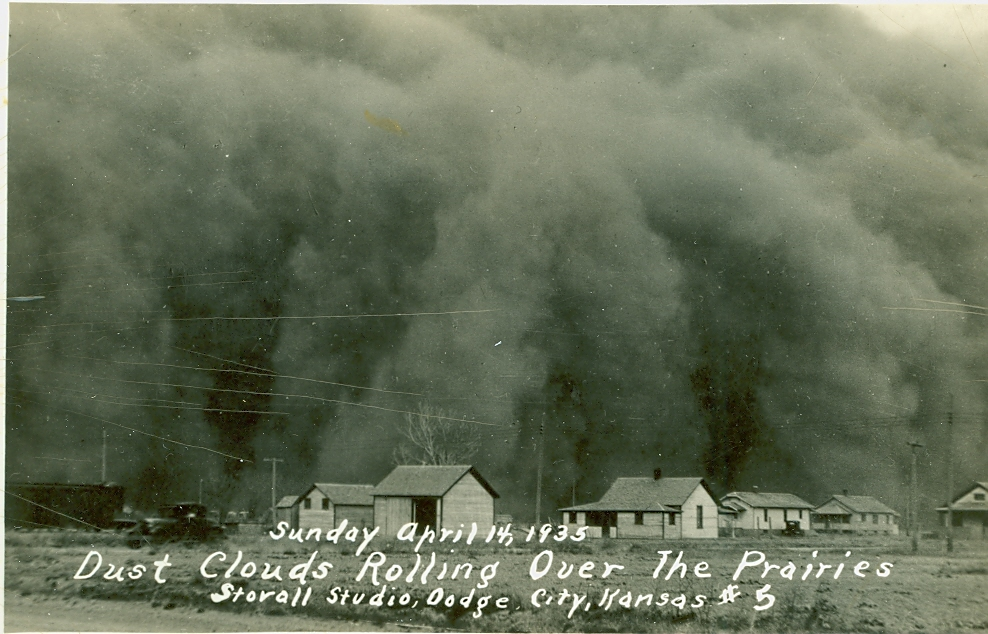
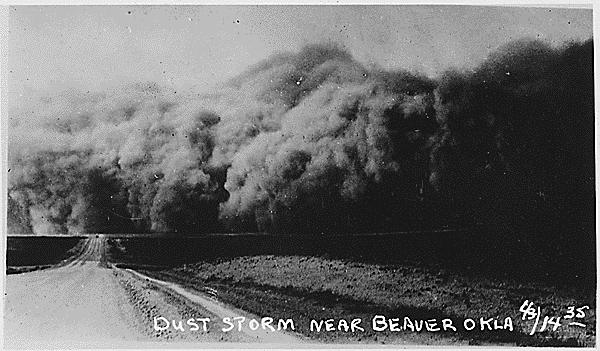
After lasting around a decade, the Dust Bowl created some of the most notable storms in American history. One being known as the Black Sunday Dust Storm of 1935.
How Exactly Does a Dust Storm Form?
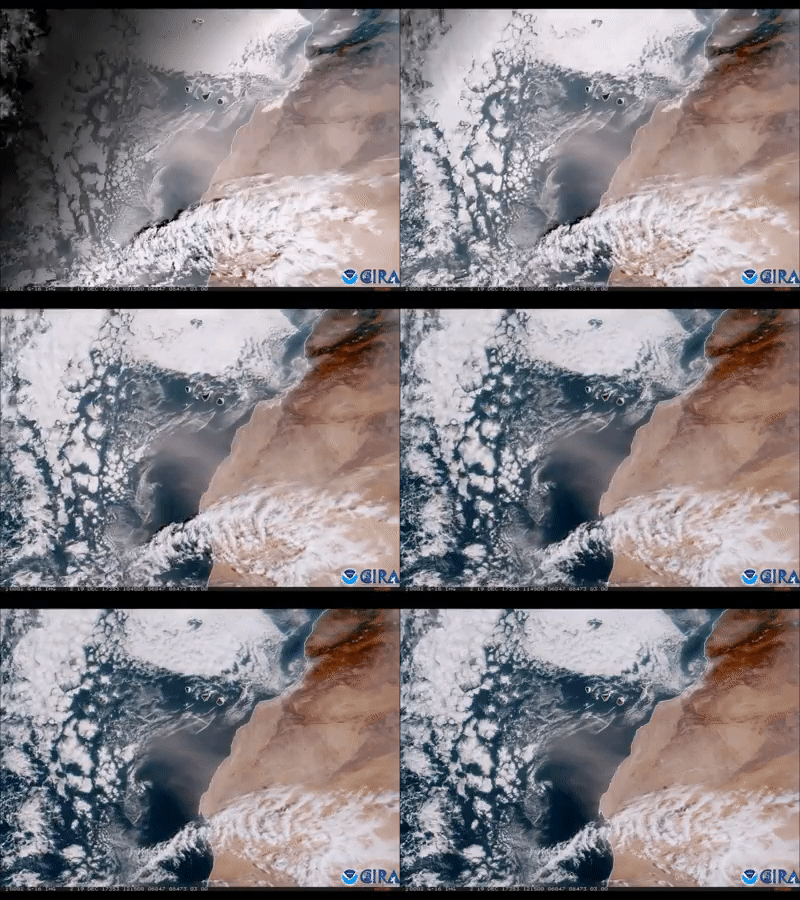
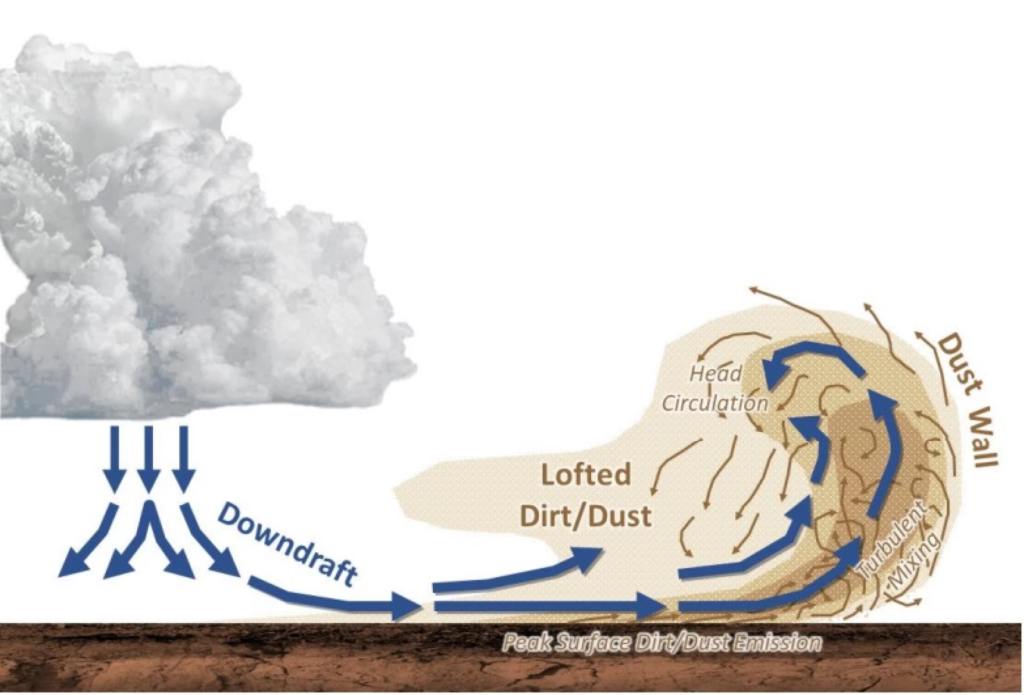
Now, it’s time to get into the meteorology of the Dust Bowl: how does a dust storm form? To start, according to NOAA, a dust storm is a wall of dust and debris that is often blown into an area by strong winds from thunderstorms. The wall of dust can be multiple miles long and several thousand feet high! More often than not, thunderstorms with very strong winds pick up the dust from the ground into the air. Dust storms are more common in areas that are flat with limited trees and plants.
During the 1930s, the Great Plains experienced an intense drought caused by both climatic and human factors. According to a NASA model simulation, sea surface temperatures (SSTs) in both the Atlantic and Pacific Oceans were unusual, with warmer-than-normal SSTs in the Atlantic and cooler-than-normal SSTs in the Pacific. The model simulation showed, in response, the low-level jet stream weakened and shifted farther south.
Normally, the low-level jet stream would flow westward over the Gulf of Mexico before turning northward, pulling moisture into the Great Plains. But, in this simulation, less moisture reached the region, the Great Plains dried out, and it lead to widespread drought.
At the same time, farmers were overplowing the land while animals were eating vegetation faster than it could grow back. As crops and other plants disappeared, so did many of the native grasses that would normally help hold the soil in place.
When adding an already flat land with an extreme drought, it is easy to see why disasters such as the Black Sunday Dust Storm of 1935 happened.
Black Sunday
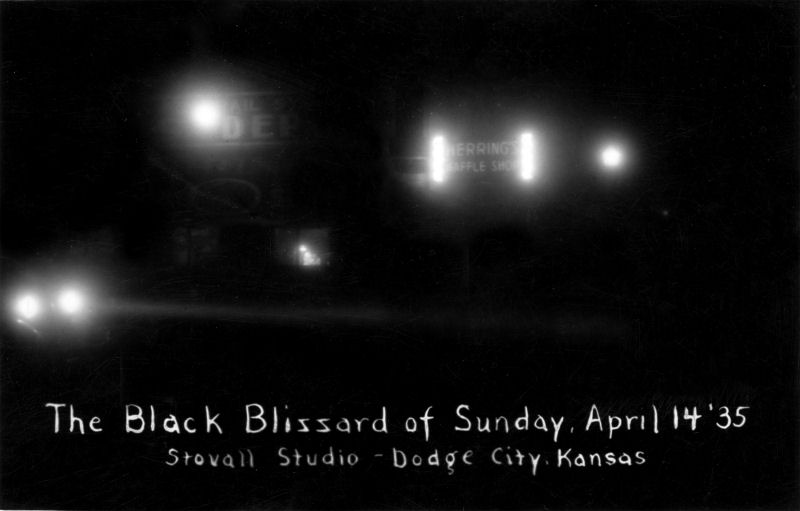
The Black Sunday Dust Storm occurred on April 14th, 1935, sweeping across the plains during the afternoon. It started as a warm, sunny day and quickly became almost pitch-black, with visibility falling to near 0. The dust storm was triggered by a cold front that moved through the Central Plains down to the border of Mexico.
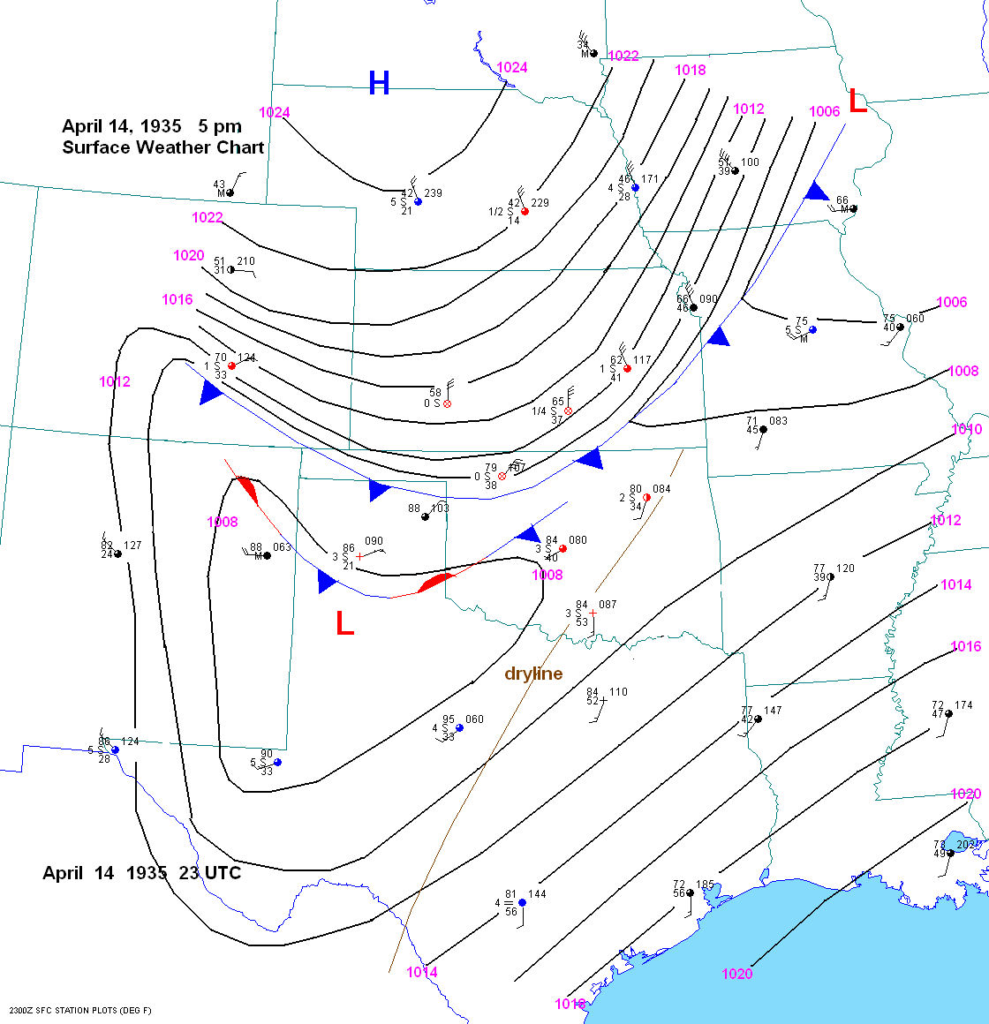
The storm moved southward through Nebraska, Kansas, Oklahoma, Colorado, and Texas at 50 to 60 mph, with a dust cloud about 800 miles long, 300 to 500 miles wide, and 500 to 600 feet high!
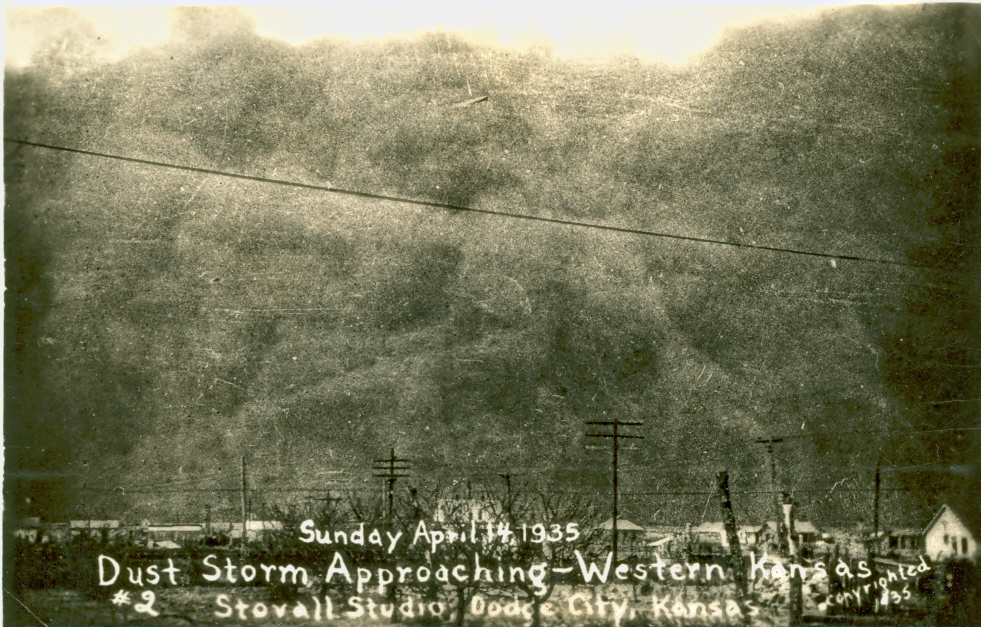
There were dangerous wind speeds around 35 to 50 mph in Oklahoma and Kansas, with 50 mph gusts in Texas cities like Amarillo and Canadian. The storm began to weaken to 25 mph in northern Texas.
Temperatures were also rapidly decreasing, with Dodge City dropping from 84 F to the 50s in a few hours, Oklahoma City at 64 F by late evening, and Canadian, Texas, going from the 80s to the lower 60s.
With years of drought, overgrazing, deep plowing, and the removal of native prairie grasses, the dust storm was intensified because large amounts of dry, loose soil were being picked up by the winds.
Aftermath
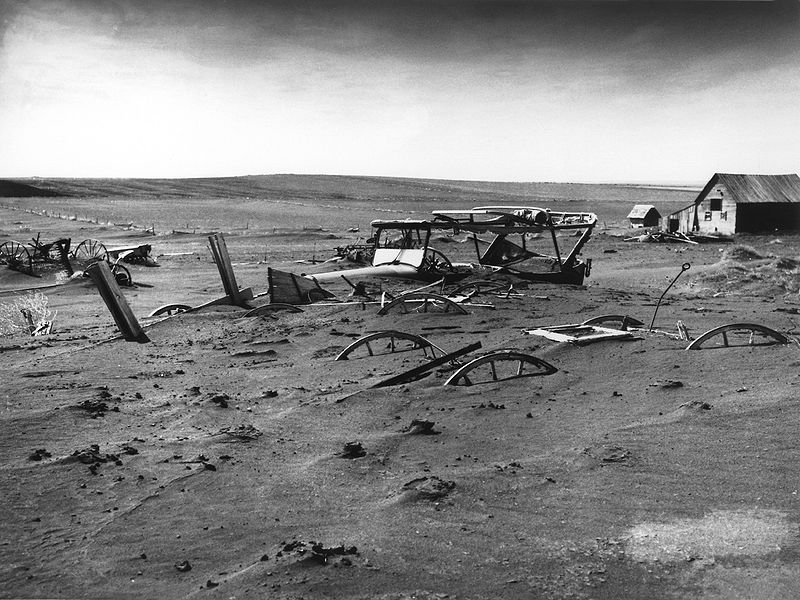
Many homes were filled and covered in dust, people were trapped on the roads, and some people died from dust suffocation or dust pneumonia. Livestock were blinded and became sick from the dust, and farms were left in ruins. A few weeks before Black Sunday, one of President Roosevelt’s advisors, Hugh Hammond Bennett, had testified before Congress about the need for better soil conservation. Just shortly after April 14th, the dust from the Great Plains had reached the East Coast, into Washington. With the evidence right in front of Congress’s face, the Soil Conservation Act was later passed in 1935.
References
https://www.history.com/articles/dust-bowl
https://www.nesdis.noaa.gov/about/k-12-education/dust-ash-fire-smoke/what-dust-storm
NASA. (2023, September 29). Top story – source of 1930s “dust bowl” drought in tropical waters, NASA finds – March 18, 2004. NASA. https://www.nasa.gov/news-release/nasa-top-story-source-of-1930s-dust-bowl-drought-in-tropical-waters-nasa-finds-march-18-2004/
https://drought.unl.edu/dustbowl
https://www.weather.gov/ddc/BlackSunday1935
https://www.pbs.org/wgbh/americanexperience/features/dust-bowl-black-sunday


