The National Hurricane Center does not anticipate any tropical development in the next 7 days, yay!
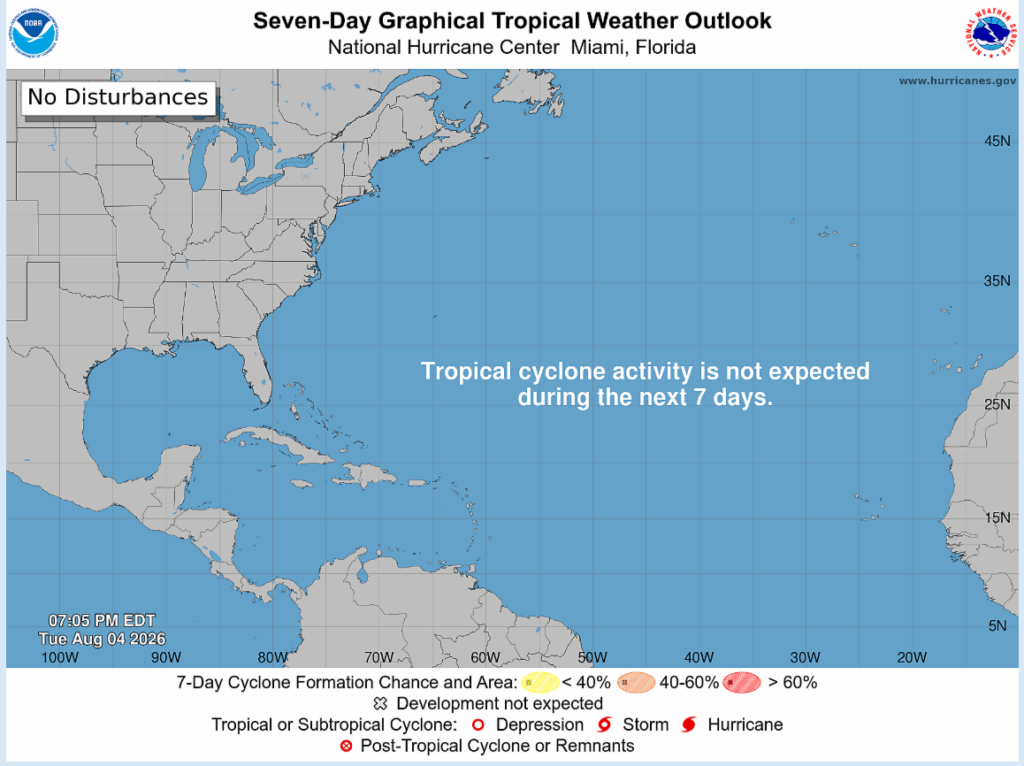
Now you may be thinking, “It’s already August and we’ve only had one tropical storm… is that normal?” Well, not really.
By this point in the season, the Atlantic has typically produced around three named storms, so we’re running behind schedule. In fact, this has been one of the slowest starts to hurricane season in recent years.
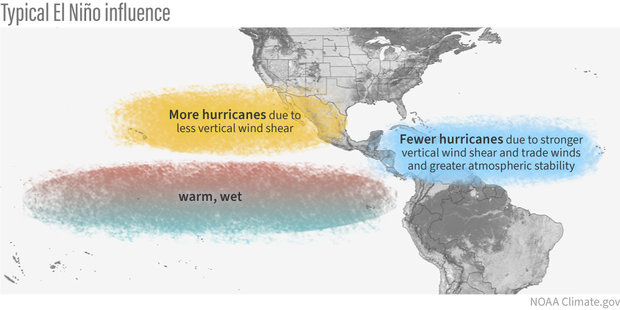
So why has it been so quiet this season? One of the biggest and most obvious reasons is the El Niño.
During an El Niño year like 2026, the Atlantic hurricane season is usually less active. This is because El Niño increases vertical wind shear and atmospheric stability over the tropical Atlantic, making it more difficult for tropical disturbances to organize into hurricanes. With a more stable atmosphere over the Atlantic and increased vertical wind shear disrupting thunderstorm development, the Atlantic typically experiences fewer tropical systems during hurricane season.
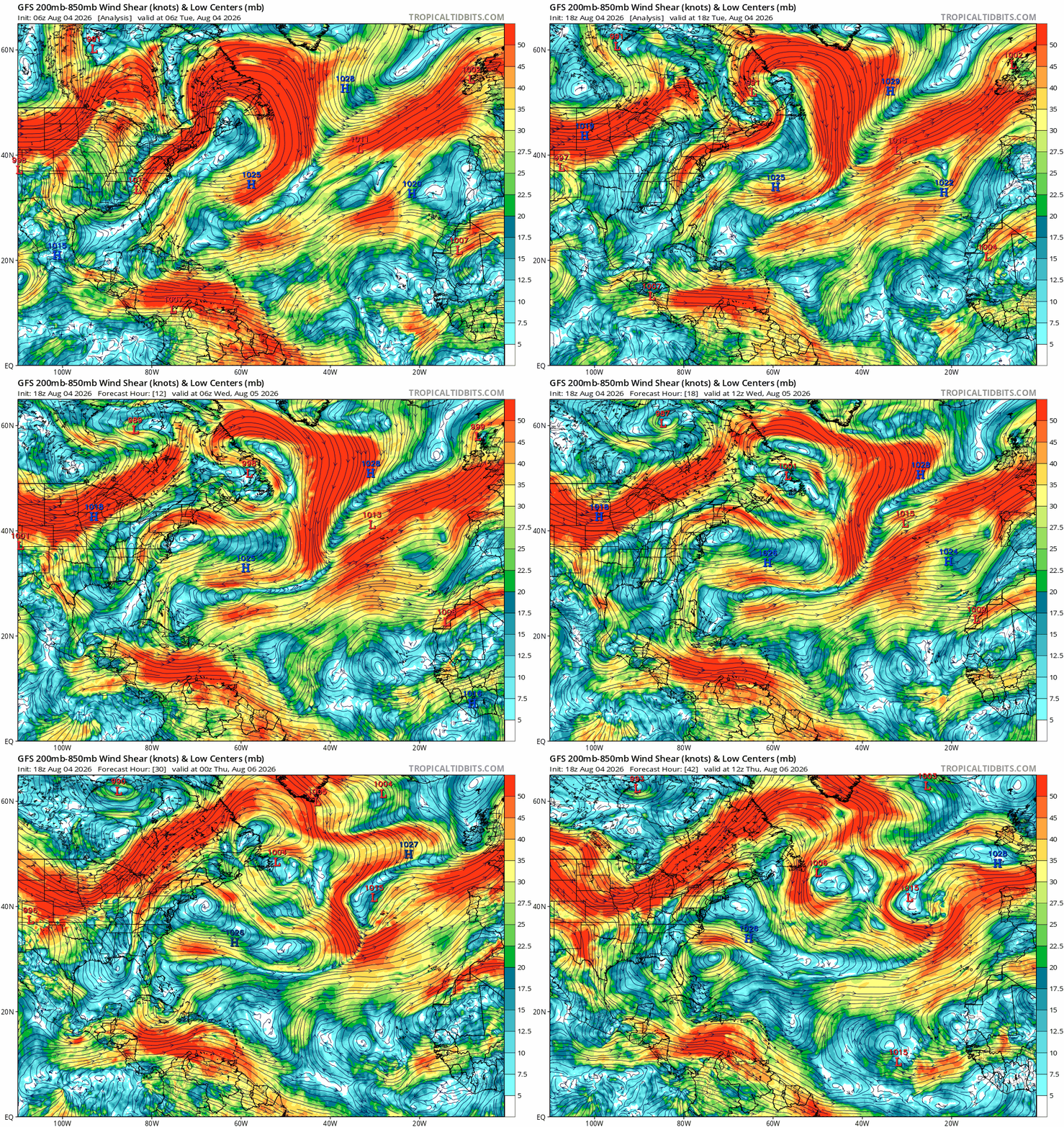
We’ve also seen repeated surges of dry, stable air travelling across the Atlantic. Hurricanes rely on clusters of thunderstorms to form and grow, and when dry air gets pulled into those thunderstorms, it weakens them and makes tropical development much more difficult.
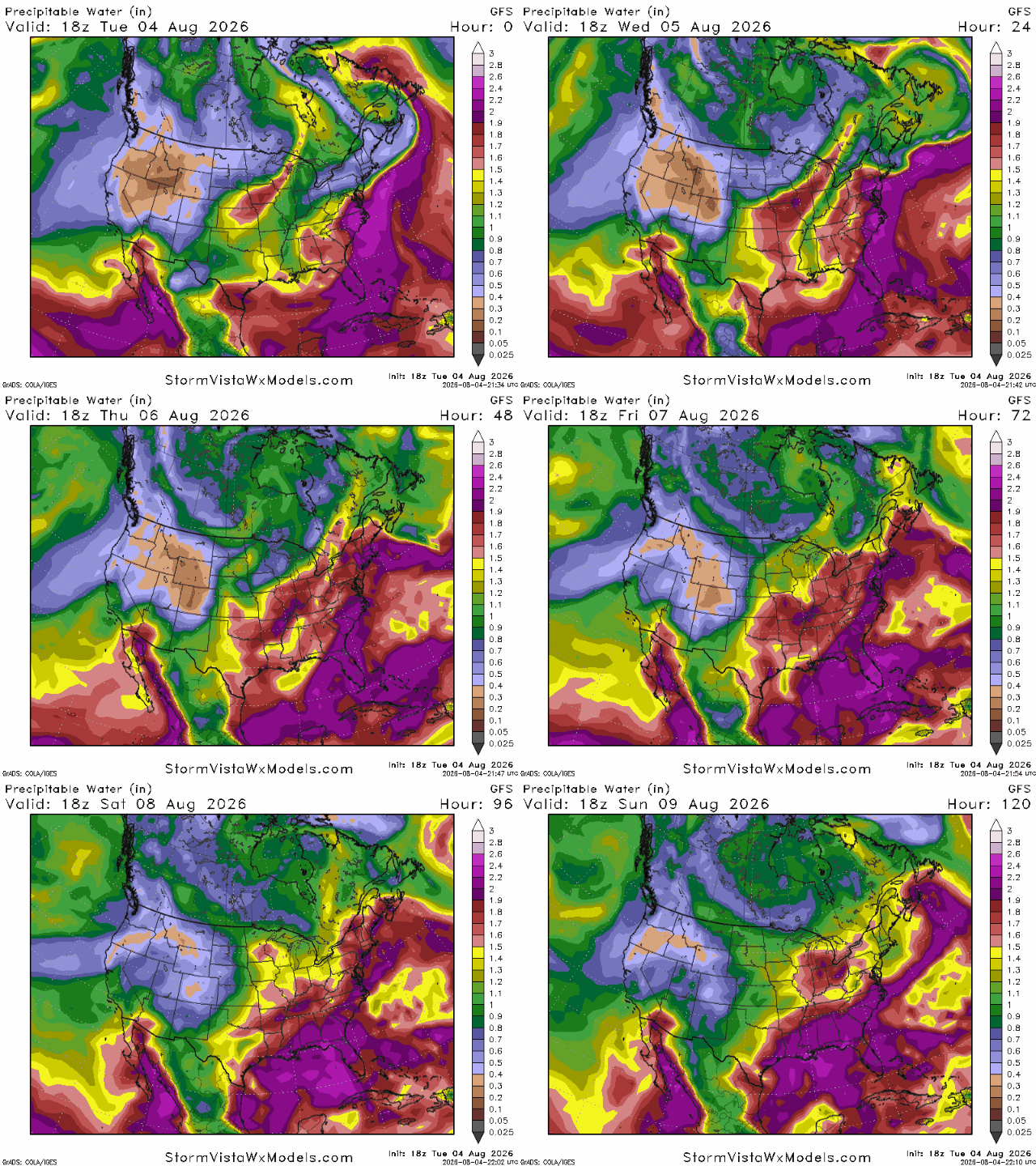
But don’t let the slow start fool you. Hurricane season is really just getting started. Climatologically, August is when activity begins to ramp up, and the season doesn’t reach its peak until around September 10th. Historically, the vast majority of Atlantic hurricanes form between August and October.
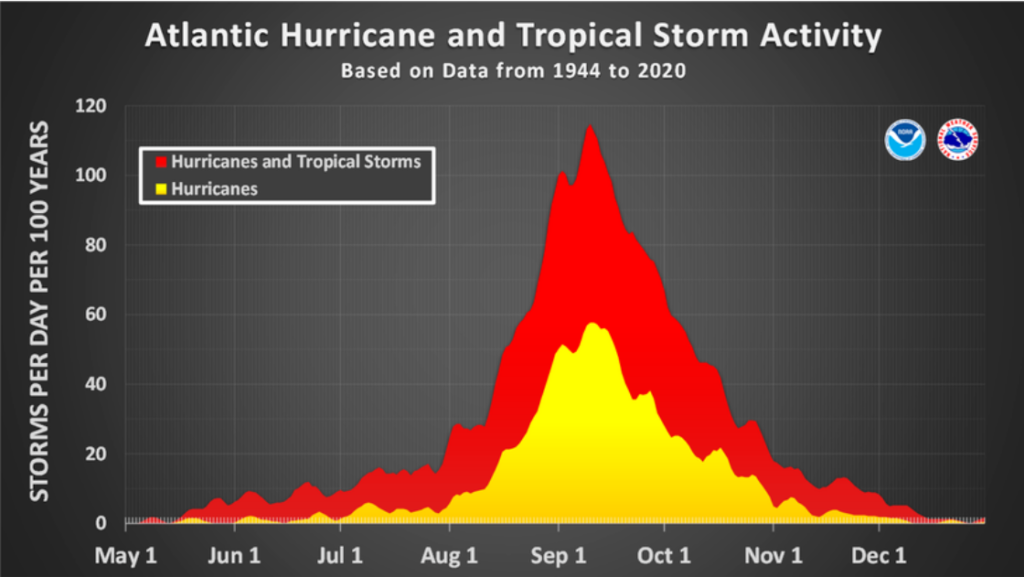
So while the Atlantic has been unusually quiet so far, we’re entering the part of the season where conditions typically become much more favorable for tropical development. All it takes is one storm in the right environment to quickly change the story for the 2026 season. Stay tuned for more!
Fun Fact: If August has no named tropical storms or hurricanes in the Atlantic, it would mark only the fourth time since 1961 that this has happened!


